

In today’s fast-paced world, health is often viewed through a narrow lens. Many people focus solely on physical fitness, diet plans, or medical treatments while overlooking the deeper connections between the mind, body, emotions, and lifestyle. This limited approach can leave individuals feeling disconnected despite their efforts to improve their well-being.
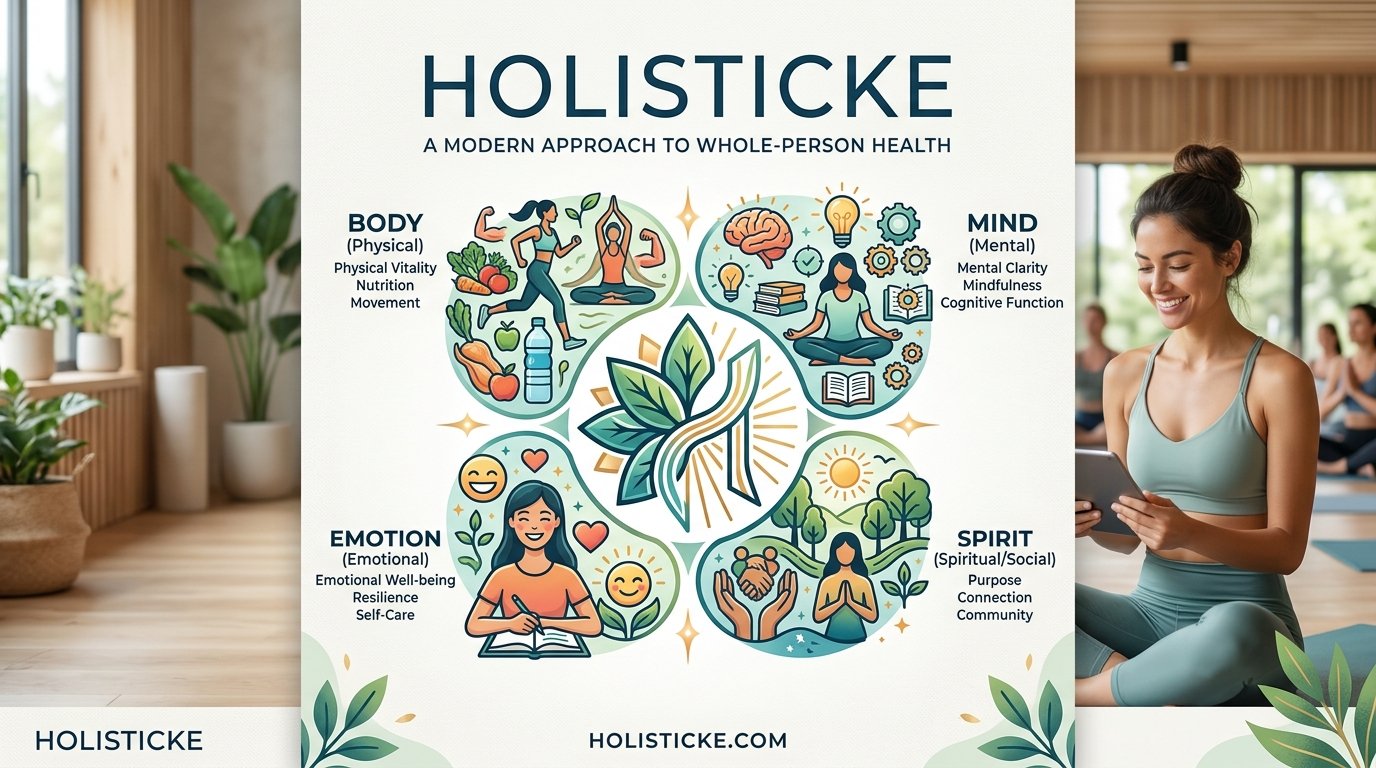
Holisticke Modern Whole Person Health offers a different perspective. It is a wellness philosophy that recognizes that true health extends beyond the absence of illness. Instead, it emphasizes the importance of nurturing every aspect of a person’s life, including physical, mental, emotional, social, and spiritual well-being.
As modern lifestyles become increasingly demanding, more individuals are seeking balanced approaches to health. Holisticke provides a framework that encourages sustainable wellness by treating the whole person rather than focusing on isolated symptoms. This comprehensive approach promotes long-term vitality, resilience, and overall quality of life.
Understanding the Holisticke Philosophy
The foundation of Holisticke lies in the belief that every part of a person is interconnected. Physical health affects mental well-being, emotional health influences physical performance, and social relationships impact overall happiness. When one area becomes unbalanced, other aspects of life often suffer as well.
Rather than treating health challenges separately, Holisticke seeks to understand the underlying causes of imbalance. It encourages individuals to explore how their habits, thoughts, relationships, environment, and daily choices contribute to their overall well-being.
This philosophy empowers people to take an active role in their health journey. Instead of relying solely on external solutions, individuals learn to create healthier lifestyles that support lasting wellness from within.
The Importance of Physical Wellness
Physical health remains a critical component of whole-person wellness. The body serves as the foundation for daily activities, productivity, and overall quality of life. Without proper physical care, other aspects of well-being can become difficult to maintain.
Holisticke promotes regular physical activity, balanced nutrition, adequate hydration, quality sleep, and preventive healthcare. These habits help support energy levels, strengthen the immune system, and reduce the risk of chronic diseases.
Exercise is viewed as more than a tool for weight management. It is an opportunity to improve cardiovascular health, enhance mood, reduce stress, and increase mental clarity. Activities such as walking, yoga, swimming, cycling, and strength training all contribute to a healthier lifestyle.
Nutrition also plays a vital role. A diet rich in whole foods, fruits, vegetables, lean proteins, and healthy fats provides the nutrients necessary for optimal body function. Holisticke encourages mindful eating practices that promote both physical health and a positive relationship with food.
Mental Health as a Core Pillar
Mental well-being is equally important in the Holisticke approach. The mind influences how individuals perceive challenges, make decisions, and interact with others. Poor mental health can affect every area of life, including physical health and emotional stability.
Modern life often exposes people to constant stress, information overload, and demanding schedules. These pressures can contribute to anxiety, burnout, and mental fatigue. Holisticke encourages proactive mental health practices that support resilience and emotional balance.
Mindfulness, meditation, journaling, reading, and lifelong learning are common strategies used to strengthen mental well-being. These practices help individuals develop self-awareness, manage stress, and maintain focus in an increasingly complex world.
By prioritizing mental health, individuals can improve their ability to navigate challenges while maintaining a positive outlook on life.
Emotional Wellness and Self-Awareness
Emotional health is another essential element of whole-person wellness. Emotions influence behavior, relationships, decision-making, and overall life satisfaction. Ignoring emotional needs can lead to stress, frustration, and reduced well-being.
Holisticke emphasizes emotional intelligence and self-awareness. Understanding emotions allows individuals to respond thoughtfully rather than react impulsively. This awareness creates healthier relationships and more effective communication.
Practices such as self-reflection, gratitude journaling, therapy, and emotional expression help individuals process their feelings in constructive ways. Developing emotional resilience enables people to recover from setbacks and adapt to life’s challenges more effectively.
A healthy emotional life contributes significantly to personal growth and overall happiness.
The Mind-Body Connection
One of the most important principles of Holisticke is the mind-body connection. Scientific research continues to demonstrate how mental and emotional states influence physical health.
Chronic stress, for example, can contribute to headaches, digestive problems, high blood pressure, weakened immunity, and sleep disturbances. Similarly, positive emotions and relaxation techniques can improve physical health outcomes.
Holisticke encourages practices that strengthen this connection. Meditation, breathing exercises, yoga, and mindfulness help reduce stress while promoting both mental and physical wellness.
By recognizing the relationship between mind and body, individuals can develop healthier habits that support complete well-being rather than focusing on isolated health concerns.
The Role of Social Connections
Humans are naturally social beings. Meaningful relationships contribute significantly to emotional and mental health. Strong social support systems can improve resilience, reduce stress, and enhance overall life satisfaction.
Holisticke recognizes that wellness extends beyond individual habits. Family relationships, friendships, workplace environments, and community involvement all influence health outcomes.
Spending quality time with loved ones, participating in community activities, and maintaining supportive relationships help foster a sense of belonging and purpose. Positive social interactions can improve mood, strengthen emotional health, and even support physical wellness.
Building healthy relationships is therefore considered an essential component of whole-person health.
Spiritual Well-Being and Purpose
Spiritual wellness does not necessarily refer to religious beliefs. Instead, it involves developing a sense of purpose, meaning, and connection to something greater than oneself.
Many people find spiritual fulfillment through faith, meditation, nature, creative expression, volunteer work, or personal reflection. These activities help individuals connect with their values and identify what truly matters in life.
Holisticke encourages individuals to explore their personal sources of meaning and purpose. A strong sense of purpose can provide motivation during difficult times and contribute to greater life satisfaction.
Spiritual well-being often serves as a guiding force that helps people align their actions with their deepest values and aspirations.
Lifestyle Habits That Support Holistic Health
Daily habits play a crucial role in maintaining overall wellness. Small, consistent actions often produce greater long-term results than dramatic but short-lived changes.
Holisticke promotes lifestyle habits that support every aspect of health. These habits may include:
- Maintaining a consistent sleep schedule
- Engaging in regular physical activity
- Practicing mindfulness and stress management
- Eating nutrient-rich foods
- Staying hydrated
- Building healthy relationships
- Limiting unhealthy behaviors
- Spending time in nature
- Pursuing personal growth and learning
When practiced consistently, these habits create a strong foundation for lifelong well-being.
Technology and Modern Wellness
Technology has transformed the way people approach health and wellness. Fitness trackers, wellness apps, online therapy platforms, meditation programs, and virtual healthcare services provide valuable tools for self-care.
Holisticke embraces technology as a supportive resource while encouraging balance. Excessive screen time, digital distractions, and information overload can negatively affect mental and emotional health.
The goal is to use technology intentionally. Wellness tools should enhance healthy habits rather than replace meaningful human experiences. By maintaining this balance, individuals can benefit from modern innovations without compromising their overall well-being.
Preventive Health and Long-Term Wellness
One of the greatest strengths of the Holisticke approach is its emphasis on prevention. Rather than waiting for health problems to arise, individuals are encouraged to adopt proactive habits that support long-term wellness.
Preventive health measures include regular medical checkups, healthy lifestyle choices, stress management, and early intervention when challenges emerge. These practices reduce health risks and improve quality of life over time.
By focusing on prevention, individuals can maintain greater independence, vitality, and overall health throughout their lives.
Challenges in Achieving Whole-Person Health
While the concept of holistic wellness is appealing, implementing it can be challenging. Busy schedules, financial pressures, work demands, and family responsibilities often compete for attention.
Many individuals struggle to find time for self-care or maintain consistent healthy habits. Additionally, misinformation and conflicting wellness advice can create confusion.
Holisticke acknowledges these challenges while emphasizing gradual progress rather than perfection. Small improvements in daily habits can produce meaningful results over time. The journey toward wellness is ongoing and unique for every individual.
The Future of Holistic Wellness
As awareness of mental health, preventive care, and lifestyle medicine continues to grow, holistic wellness is becoming increasingly relevant. Healthcare professionals, educators, employers, and communities are recognizing the importance of treating the whole person.
Future wellness trends are likely to focus on personalized health strategies, integrated healthcare models, mental health support, and technology-driven wellness solutions. Holisticke aligns with these developments by offering a comprehensive framework for sustainable well-being.
The future of health is not simply about treating illness but about helping individuals thrive physically, mentally, emotionally, socially, and spiritually.
Conclusion
Holisticke Modern Whole Person Health represents a powerful approach to achieving lasting wellness. By recognizing the interconnected nature of mind, body, emotions, relationships, and purpose, it offers a more complete understanding of health.
Rather than focusing on isolated symptoms, Holisticke encourages individuals to cultivate balance across all areas of life. Through healthy habits, self-awareness, meaningful relationships, and purposeful living, people can create a foundation for long-term well-being.
In an increasingly complex world, the principles of Holisticke provide valuable guidance for anyone seeking a healthier, more balanced, and more fulfilling life. True wellness begins when the whole person is nurtured, supported, and empowered to thrive.